
Receiving a custom-drawn or painted portrait is a truly special moment. You have invested in a one-of-a-kind piece of art—whether it’s a lifelike charcoal drawing, a vibrant pastel piece, or a detailed graphite sketch—that captures a cherished memory, a beloved family member, or a loyal pet.
Because fine art is handmade using delicate, premium materials like archival paper and professional pigments, it requires proper handling, framing, and long-term care. Unlike mass-printed posters, a genuine piece of art is a living investment. With the right protection, your custom portrait will remain as vibrant, crisp, and striking decades from now as it was on the day it arrived at your doorstep.
In this comprehensive guide, we will walk you through everything you need to know about safely unpacking, professionally framing, and preserving your custom portrait for a lifetime.
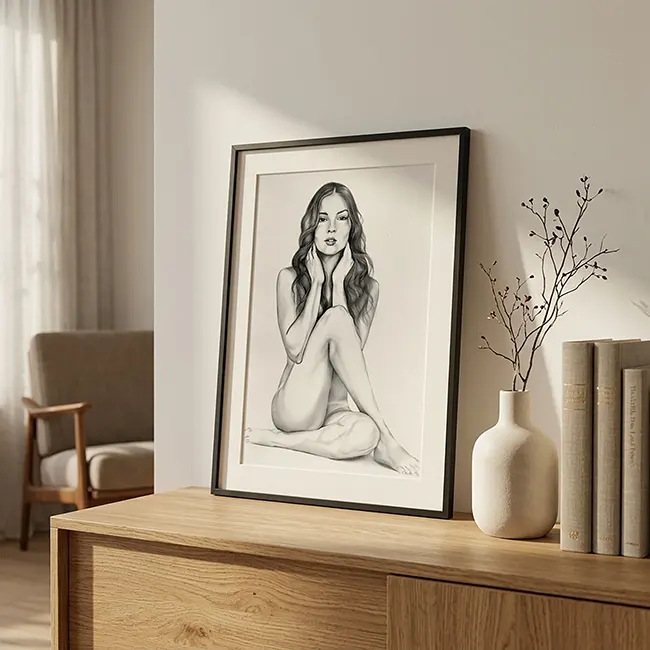
1. Unpacking Your Portrait: First Steps and Handling
Before you even think about frames or placement, the first step is opening and inspecting your new artwork safely. Portrait artists package their work with extreme care, using rigid mailers, glassine paper, and protective backing boards to prevent bending or smudging during transit.
- Wash and Dry Your Hands: Fine art paper and traditional drawing mediums (like graphite, charcoal, and soft pastels) are sensitive to natural oils and moisture from human skin. Always wash and thoroughly dry your hands before touching the paper or border of the portrait.
- Open Carefully: Use scissors or a letter opener to open the outer packaging. Avoid using sharp blades too close to the artwork itself.
- Handle by the Edges: When lifting or moving the portrait, always hold it gently by its outer white borders or margins. Never press down directly on the drawn or painted surface, as pressure can smudge graphite, charcoal, or pastel pigments.
- Keep Protective Layers Intact: Professional artists often place a sheet of translucent glassine paper over the face of the portrait. Leave this protective layer on until you (or your framer) are ready to place the artwork directly into the frame.
2. The Art of Framing: Protecting Your Investment
Framing is not just about aesthetics; it is the primary physical defense mechanism protecting your portrait from environmental damage, dust, and physical wear. Because custom portraits on paper are delicate, proper framing requires careful consideration of materials.
A. Always Use Professional Framing (or Museum-Quality Materials)
While pre-made store frames can be tempting, many cheap off-the-shelf frames contain acidic materials that yellow and degrade fine art paper over time. If you are framing the portrait yourself, ensure you use acid-free mats, backings, and tapes. Better yet, taking your portrait to a professional custom framer ensures that archival-grade materials are used from the inside out.
B. The Importance of Window Matting (A-V-I-D Principle)
For portraits created in mediums like charcoal, pastel, or graphite, never let the glass touch the surface of the art.
- Why? Changes in room humidity can cause paper to expand and contract slightly. If the art touches the glass, moisture can cause the paper to stick to the glass, permanently ruining the drawing.
- The Solution: Use a “window mat” (a heavy cardboard border) or picture framing spacers. This creates a small physical gap between the glass and the surface of the portrait, allowing the paper to breathe while keeping the medium completely safe.
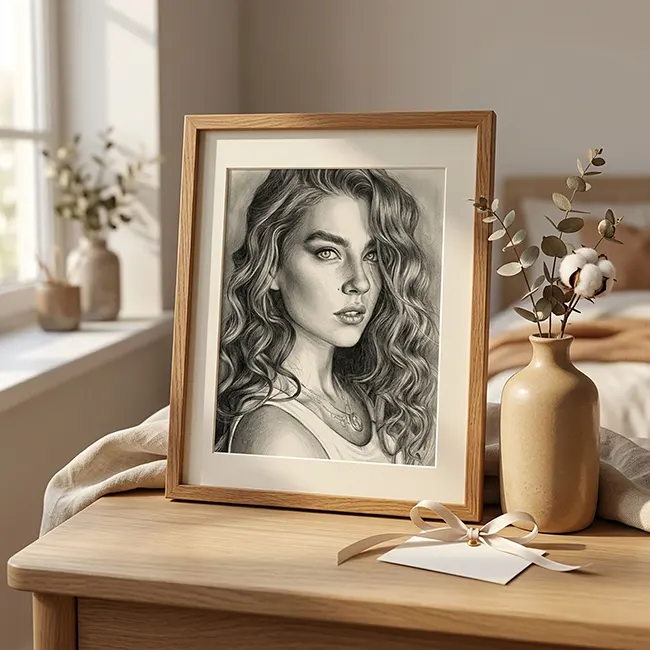
C. Choosing the Right Glass
Glass protects your artwork from dust, smoke, airborne oils, and accidental scratches. However, standard window glass offers no protection against the sun.
- UV-Protective Glass (Conservation Glass): Ultraviolet (UV) rays from sunlight and even indoor fluorescent bulbs are the number one cause of fading in artworks. Always request UV-blocking glass or acrylic (such as Tru Vue Conservation Clear) when framing your portrait. It blocks up to 99% of harmful UV rays, keeping the rich blacks of graphite or the subtle tones of color intact for generations.
- Anti-Reflective / Museum Glass: If budget permits, museum glass reduces glare to almost zero, making the glass practically invisible. It gives the illusion that there is no barrier between the viewer and the portrait, highlighting every fine detail.
3. Choosing the Best Location to Hang Your Portrait
Where you hang your custom portrait plays a massive role in its longevity. Even the best framing cannot completely counteract poor environmental conditions over time.
- Avoid Direct Sunlight: Never hang a portrait in a spot where it receives direct, harsh sunlight for hours a day (such as directly opposite a south-facing window). While UV glass helps, continuous extreme exposure to heat and light will eventually degrade even the highest quality artistic pigments. Opt for a wall with indirect or ambient light.
- Beware of Humidity and Moisture: Bathrooms, kitchens, and damp basements are the enemies of fine art paper. High humidity warps paper, encourages mold growth, and can cause foxing (brown age spots) on paper. Hang your portrait in climate-controlled rooms like a living room, hallway, bedroom, or home office.
- Keep Away from Heating and Cooling Vents: Rapid temperature fluctuations and dry air blowing directly onto a frame can cause paper to become brittle and warp over time. Position your artwork away from active HVAC vents, radiators, and fireplaces.
4. Long-Term Maintenance and Care
Once your portrait is beautifully framed and safely hung on the wall, caring for it requires very little effort. A little mindful maintenance goes a long way.
- Dusting the Frame: Dust your frame and glass periodically using a clean, dry, soft microfiber cloth. Avoid spraying chemical glass cleaners directly onto the frame, as overspray can seep inside the joints or onto the glass edges and damage the wood or matting. Instead, spray a tiny amount of cleaner onto the cloth first, then wipe the glass.
- Never Use Water or Cleaners on Exposed Art: If your artwork is somehow unframed (though strongly discouraged), never attempt to clean it with water, erasers, or household cleaners. If an accident occurs, consult a professional art conservator immediately.
- Inspect Periodically: Every few years, take a quick look at the back of the frame to ensure the backing paper is intact, the hanging wire is secure, and there are no signs of moisture or insect activity inside the frame package.
Conclusion
A custom portrait is much more than a piece of home decor—it is a tangible piece of your personal history, frozen in time by the hands of an artist. By taking a few intentional steps during unpacking, investing in archival framing, choosing a thoughtful location away from harsh elements, and performing simple maintenance, you ensure that your artwork remains pristine.
When cared for properly, a fine art custom portrait does not just decorate a room; it becomes a cherished family heirloom that tells your story for generations to come.
Have questions about framing options or want to commission a timeless portrait of your own? Explore our collection or get in touch today to start creating your family heirloom.
If you are looking for the perfect intersection of tradition, modern style, and deep personal meaning, a custom pencil portrait is the answer. Whether you are celebrating a new life, honoring a lost pet, or marking a golden anniversary, April Suwichai provides a way to freeze time beautifully.
Visit customportraitsbyapril.com today and let a world-class artist turn your favorite memory into a timeless masterpiece. Your story deserves to be drawn.
Ready to Start Your Custom Portrait?
Every masterpiece starts with a single pencil stroke. Contact me today to discuss your vision for a custom pencil portrait and let’s create something unforgettable.